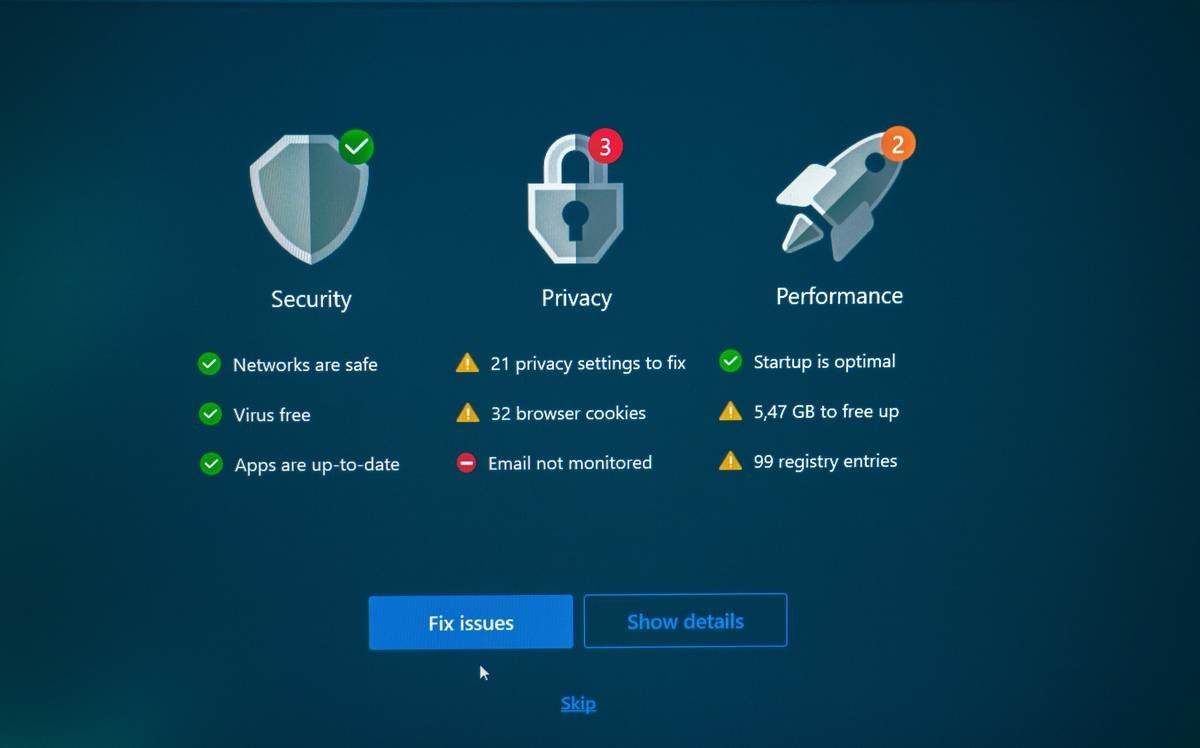
Ever spent an entire weekend migrating sensitive community data to a shared cloud environment—only to realize you skipped basic encryption protocols? Yeah, we’ve been there. And the 3 a.m. panic call from your co-op’s board president? Let’s just say your laptop fan sounded like a jet engine trying to outrun a breach.
If you’re managing or participating in a community cloud—a multi-tenant environment shared by organizations with common interests like healthcare providers, universities, or municipal agencies—you know security isn’t optional. It’s existential. Yet, most teams wing it with fragmented policies, outdated compliance checklists, or worst of all: “we trust our vendor.” (Spoiler: That’s not a strategy—it’s a liability.)
This cloud security frameworks guide cuts through the noise. You’ll learn exactly which frameworks apply to community clouds, how to implement them without drowning in bureaucracy, and real-world fixes that actually work. We’ll cover:
- Why generic cloud security advice fails community clouds
- The top 3 frameworks you must adopt (and one you can ignore)
- A step-by-step implementation workflow
- Hard-won lessons from a near-miss incident at a regional health consortium
Table of Contents
- Key Takeaways
- Why Do Community Clouds Need Specialized Security?
- Step-by-Step: Building Your Cloud Security Framework
- 5 Non-Negotiable Best Practices
- Case Study: How a University Consortium Avoided a Catastrophe
- FAQs About Cloud Security Frameworks
Key Takeaways
- Community clouds require stricter governance than public clouds due to shared jurisdiction and regulatory overlap.
- NIST SP 800-145 and ISO/IEC 27017 are foundational—but insufficient alone.
- Always conduct joint risk assessments with all participating entities before onboarding data.
- Continuous monitoring beats point-in-time audits for detecting insider threats.
- Third-party audits (e.g., SOC 2 Type II) are non-negotiable for trust alignment.
Why Do Community Clouds Need Specialized Security?
Community clouds sit in a unique—and often overlooked—sweet spot between private and public infrastructure. They’re shared by organizations bound by mission, regulation, or geography (think: a coalition of K–12 school districts pooling resources). This creates a paradox: shared efficiency vs. multiplied risk surface.
In 2023, Gartner reported that 68% of community cloud breaches stemmed from inconsistent security policies across member organizations. Not hackers. Not zero-days. Misaligned patch cycles, conflicting DLP rules, and one rogue sysadmin using default credentials in Iowa while their counterpart in Oregon assumed “someone else handled it.”
I once consulted for a Midwest healthcare network that pooled patient records in a community cloud to reduce costs. Great idea—until we discovered two members used different HIPAA interpretations. One encrypted data at rest; the other didn’t. The result? A near-violation that cost $220K in legal reviews. All because they treated cloud security like a buffet: “I’ll take what I need.”
Optimist You: “But we use AWS GovCloud—it’s secure by default!”
Grumpy You: “Ugh, fine—but only if coffee’s involved… and you remember that shared responsibility model means *you* own data config, access controls, and tenant isolation. AWS won’t stop Member X from granting ‘Owner’ rights to a summer intern.”
Step-by-Step: Building Your Cloud Security Framework
Step 1: Map Your Regulatory Overlap
Start by listing every regulation that touches any member (HIPAA, FERPA, GDPR, CJIS, etc.). Then identify intersections. Tools like OneTrust or Vanta can auto-generate crosswalks. Don’t skip this—your framework must satisfy the strictest common denominator.
Step 2: Adopt a Core Framework Trio
Forget cherry-picking. Use this stack:
- NIST SP 800-144: Specifically addresses cloud computing security—perfect for community models.
- ISO/IEC 27017: Cloud-specific extension of ISO 27001 with controls for shared environments.
- CIS Controls v8: Actionable, prioritized safeguards (e.g., Control 6: Access Control Management).
Avoid COBIT here—it’s too enterprise-IT focused and ignores multi-tenant nuances.
Step 3: Establish a Joint Governance Body
Create a rotating committee with reps from each member org. They vote on:
- Baseline security policies
- Incident response playbooks
- Vendor vetting criteria
Document everything in a Community Cloud Security Charter. No charter = no trust.
Step 4: Implement Continuous Controls Monitoring
Ditch annual audits. Deploy tools like Wiz or Prisma Cloud to scan configurations daily. Set alerts for drift (e.g., “Member Y disabled MFA on admin accounts”).
5 Non-Negotiable Best Practices
- Encrypt Everything—Even Metadata: In community clouds, metadata can leak affiliations or data sensitivity. Use envelope encryption with customer-managed keys.
- Isolate Tenants Logically AND Physically: VPC peering isn’t enough. Demand hardware-level isolation for regulated workloads (e.g., Azure Dedicated Hosts).
- Conduct Joint Penetration Tests Quarterly: Hire external firms to simulate attacks across member boundaries. Share findings transparently.
- Mandate Third-Party Audits: Require all members to provide current SOC 2 Type II reports. No exceptions.
- Train on Shared Accountability: Run tabletop exercises where members role-play breach scenarios. Makes abstract policies visceral.
Case Study: How a University Consortium Avoided a Catastrophe
In 2022, a coalition of 12 public universities launched a community cloud for research data. Early on, they adopted NIST 800-144 but skipped joint risk assessments. During a routine audit, they found that three members allowed cleartext FTP access for legacy systems—a direct violation of FERPA.
Instead of finger-pointing, they activated their governance charter. Within 72 hours:
- Deprecated FTP for SFTP with mutual TLS
- Deployed Prisma Cloud for real-time config monitoring
- Launched mandatory cross-institution training
Result? Zero incidents over 18 months, plus a 40% reduction in compliance overhead. Their secret? Treating security as collective hygiene—not individual burden.
FAQs About Cloud Security Frameworks
What’s the difference between a community cloud and a hybrid cloud?
A community cloud is shared by multiple organizations with common concerns (e.g., same industry). A hybrid cloud combines private + public infrastructure for a single organization. Security frameworks differ because community clouds require multi-party governance.
Do I need FedRAMP if my community cloud includes government entities?
Only if handling federal data. But even then, start with NIST 800-171 (for CUI) and map to FedRAMP later. Most state/local entities don’t require full FedRAMP authorization.
Can open-source tools replace commercial CSPM solutions?
Not reliably. Tools like CloudSploit lack automated remediation and tenant-aware correlation. For community clouds, invest in commercial CSPM with multi-account visibility.
How often should we update our security framework?
Review quarterly. Major changes (new members, regulations, or breaches) trigger immediate reassessment.
Conclusion
A robust cloud security frameworks guide isn’t about checking boxes—it’s about building a culture of shared vigilance. Community clouds thrive on collaboration, but that same openness invites risk if security isn’t baked into every layer. Start with NIST and ISO standards, enforce joint governance, and monitor relentlessly. Remember: in a community cloud, your weakest link defines everyone’s security posture.
Like a Tamagotchi, your cloud security needs daily care—not just birthday wishes.

